

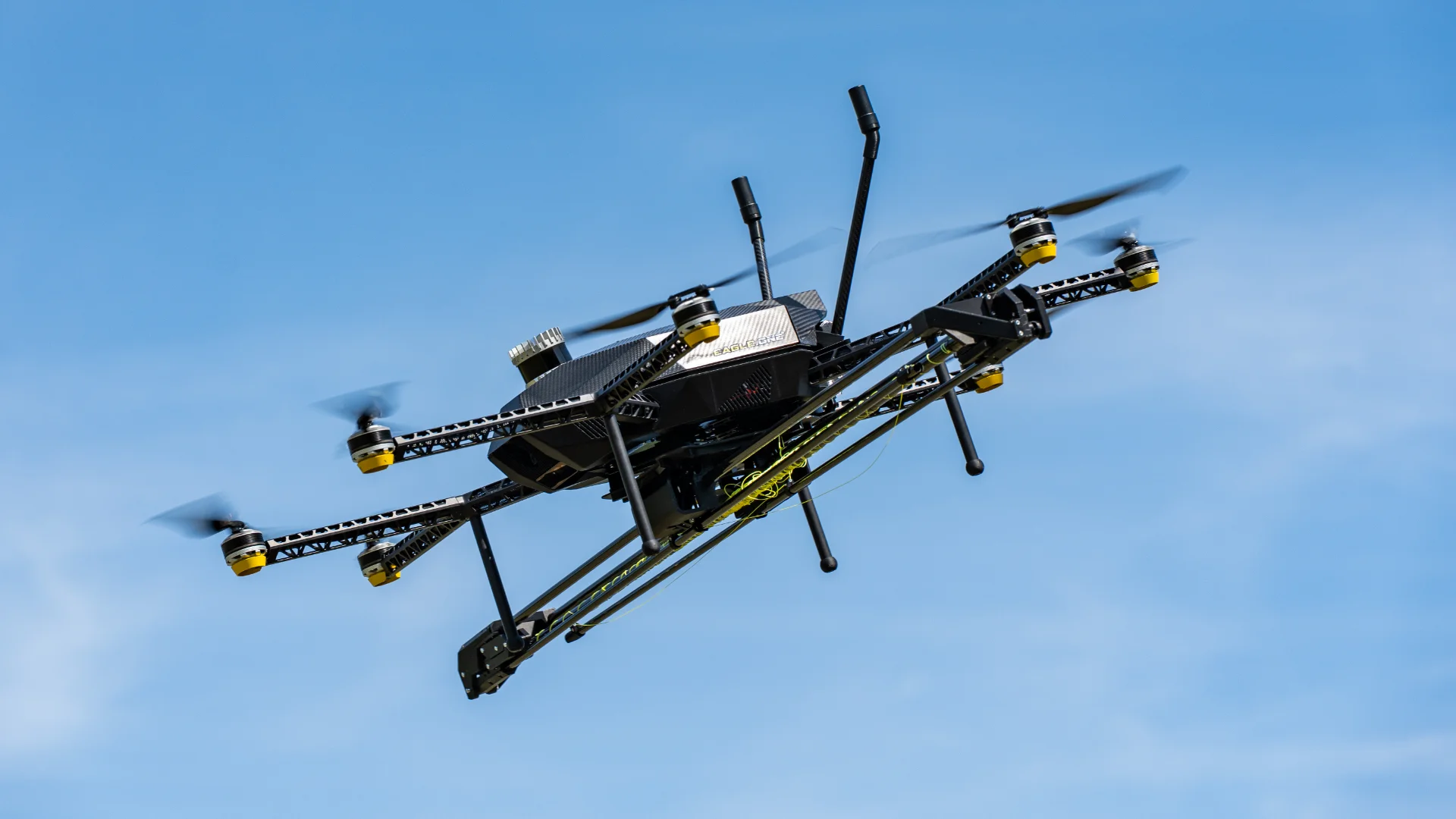
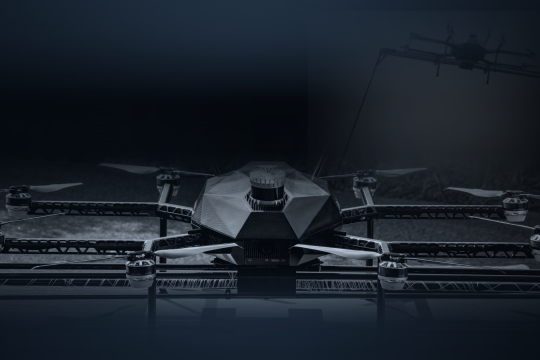
EAGLE.ONE is an autonomous counter-drone system powered by on-board AI, precision navigation, and advanced interception technology. It detects, tracks, and intercepts unauthorized drones to protect critical airspace around airports, military facilities, and major public events.
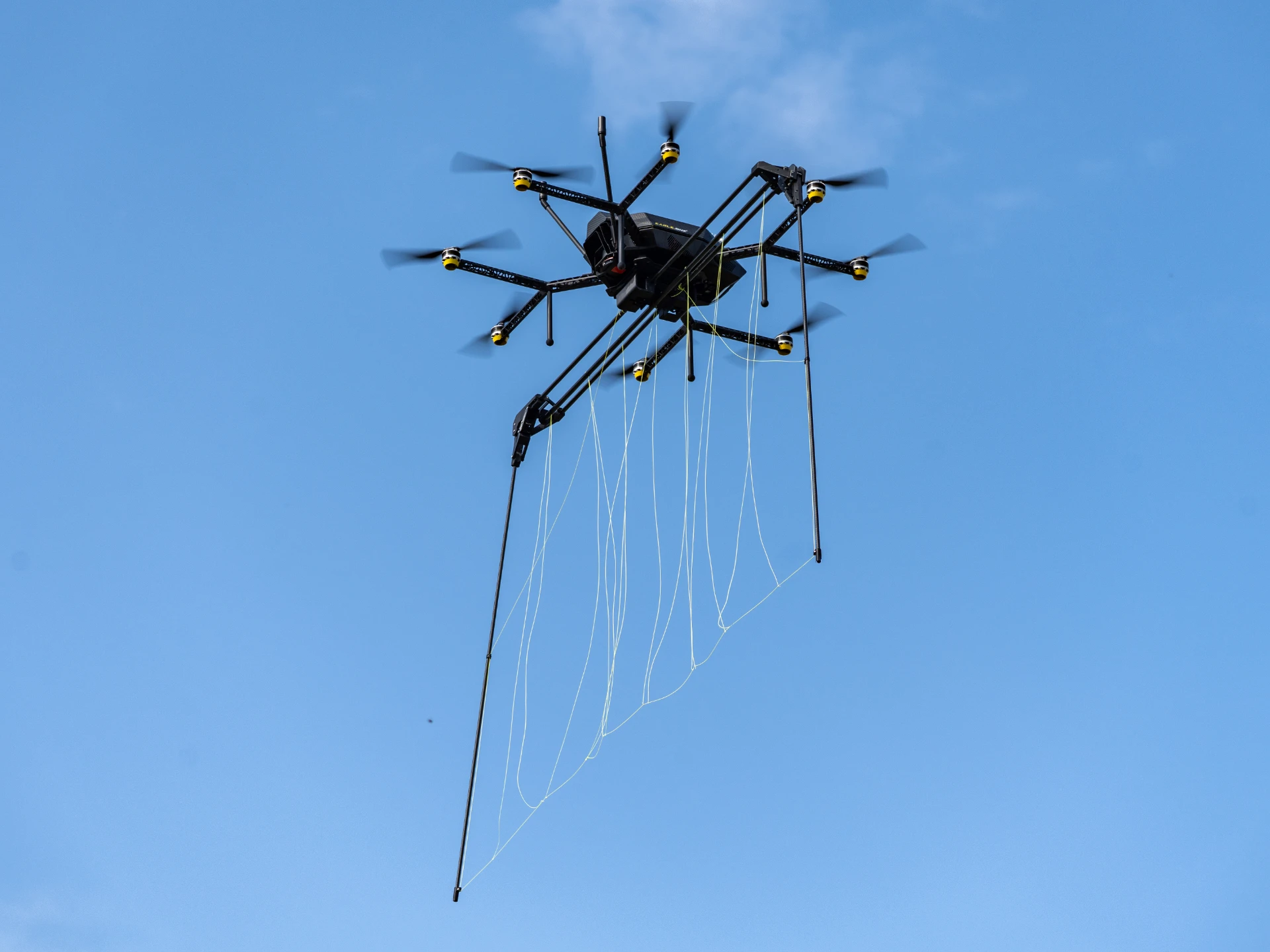
Drones are becoming a constant presence in modern airspace. As they grow more accessible and capable, they are increasingly used in ways that threaten critical infrastructure, public venues, and sensitive facilities. Securing the airspace above these locations is becoming a core part of modern security.
EAGLE.ONE Drone Hunter delivers an active aerial defense against this threat. It can rapidly deploy, pursue hostile drones, and neutralize them using a range of interception tools. Depending on the mission configuration, the system can capture or disable the target and secure the intercepted drone for recovery and analysis.
Drone threats vary widely in size, speed, and capability, and no single interception method can address them all. EAGLE.ONE turns this complexity into an advantage by offering a modular architecture with different interception tools suited to different threat types. This allows the system to be matched to the specific operational environment and threat profile from the outset.
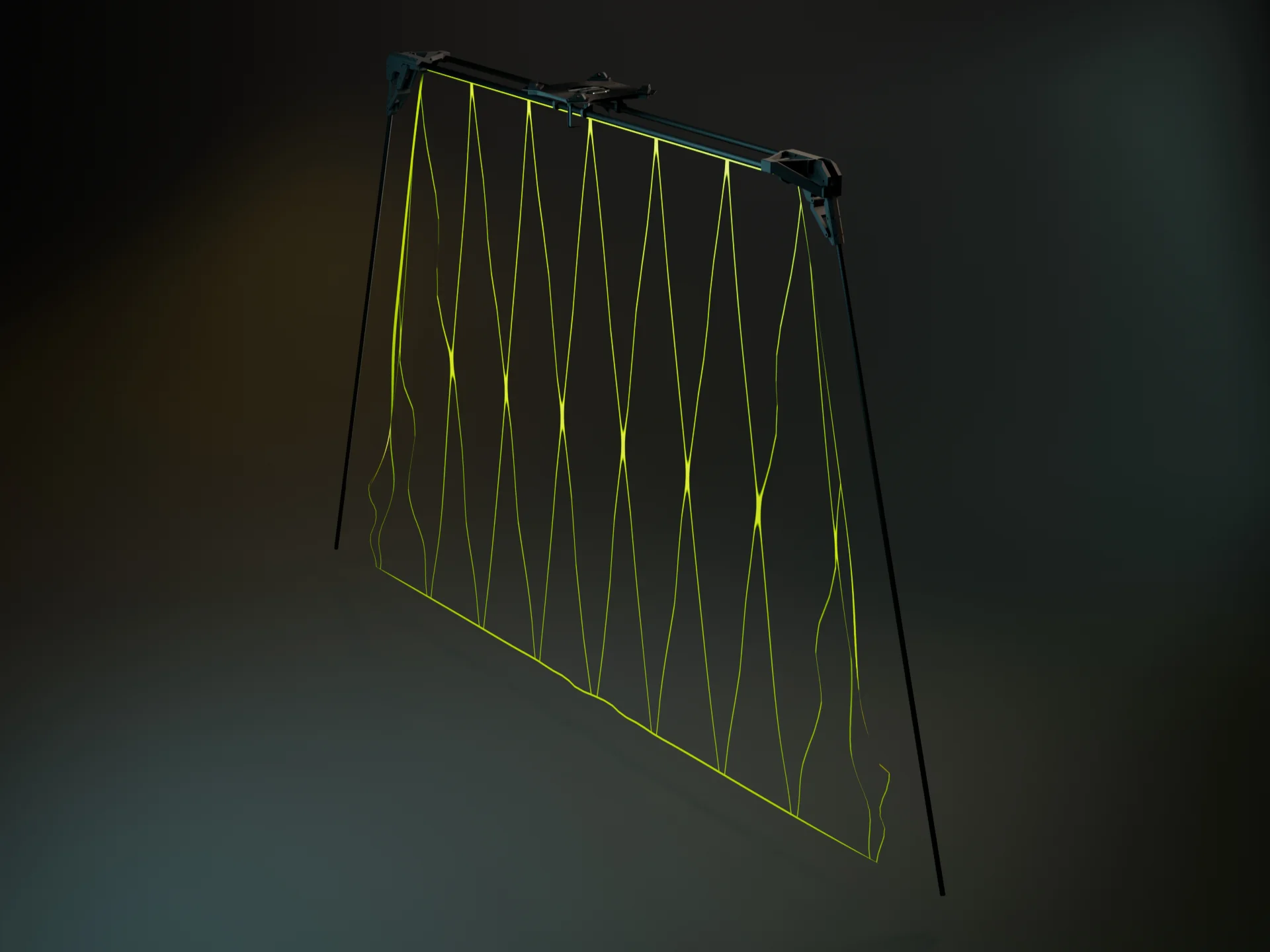
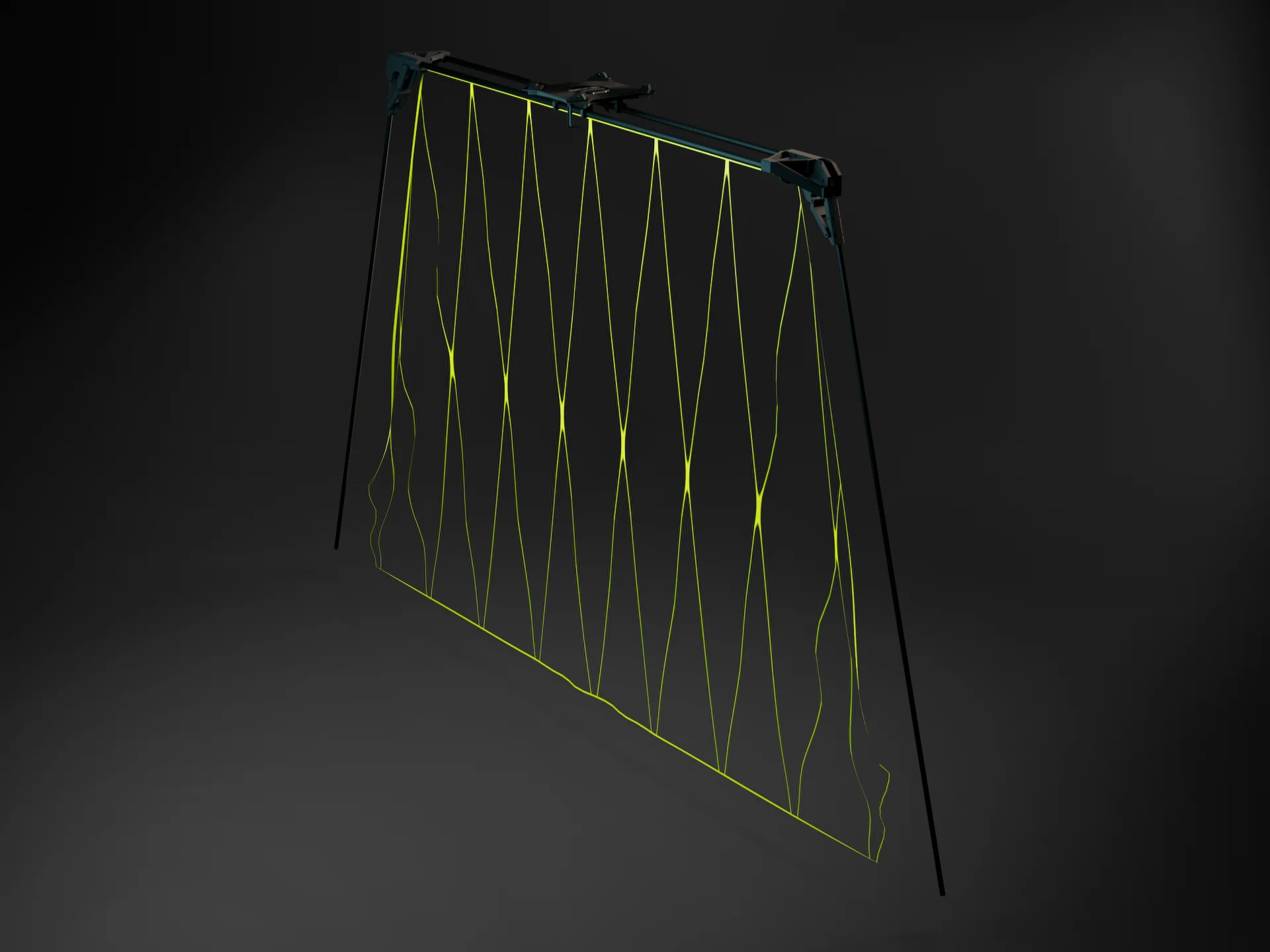
Provides multiple close-range capture attempts during pursuit, improving the chances of successfully entangling small to medium rogue drones.
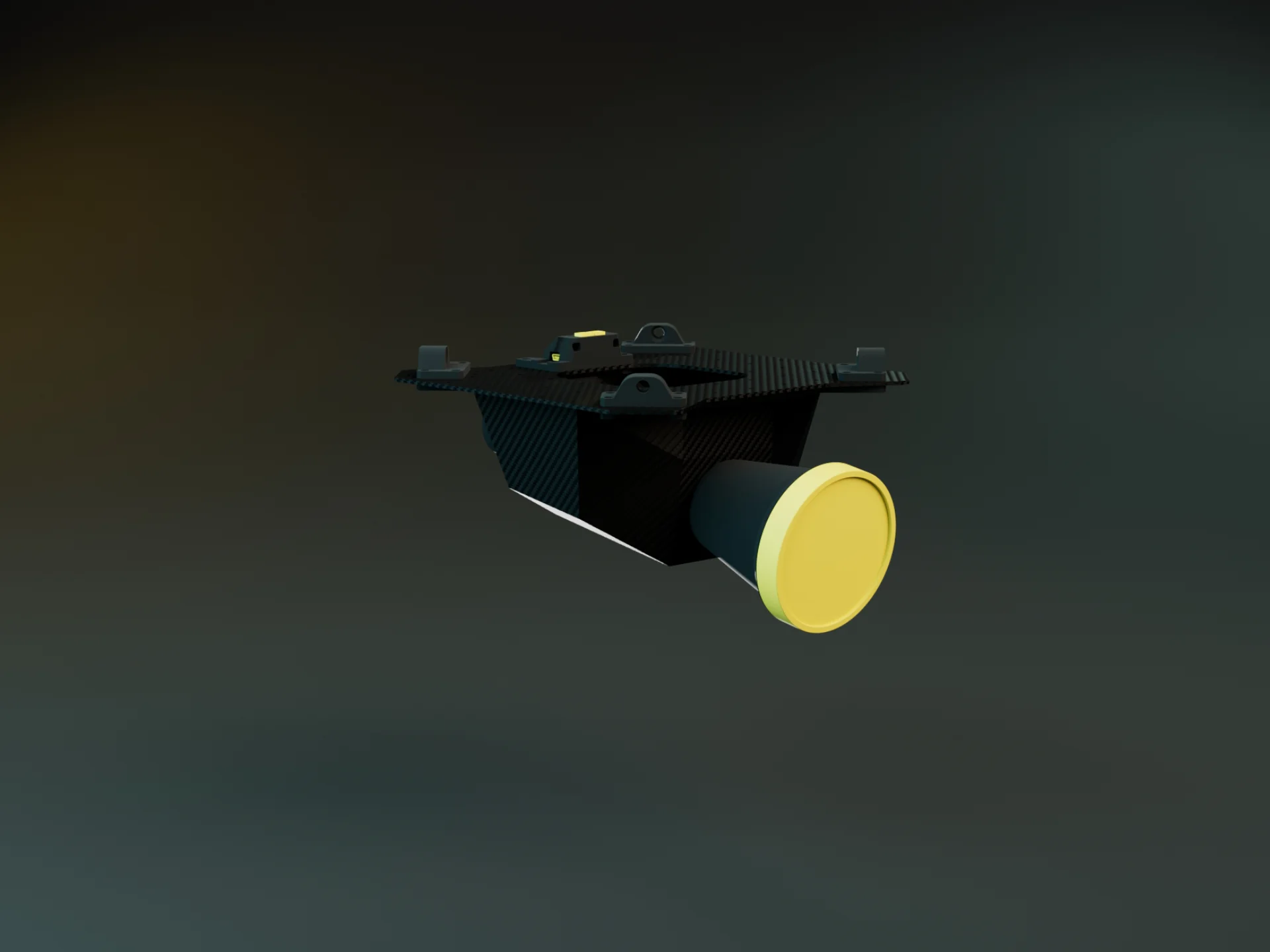
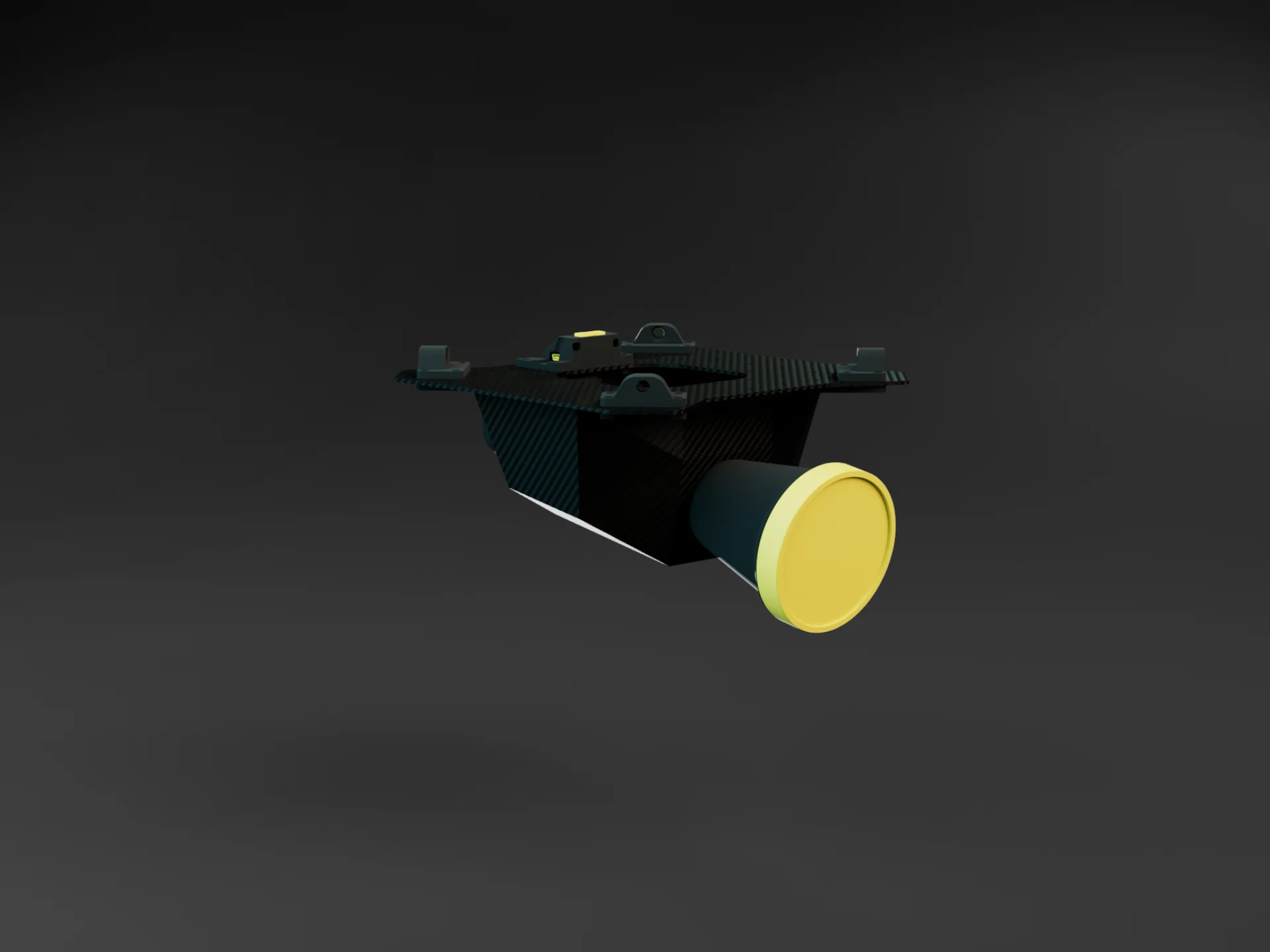
Captures small to medium drones from a safe distance by launching a net that disables the target without causing structural damage.
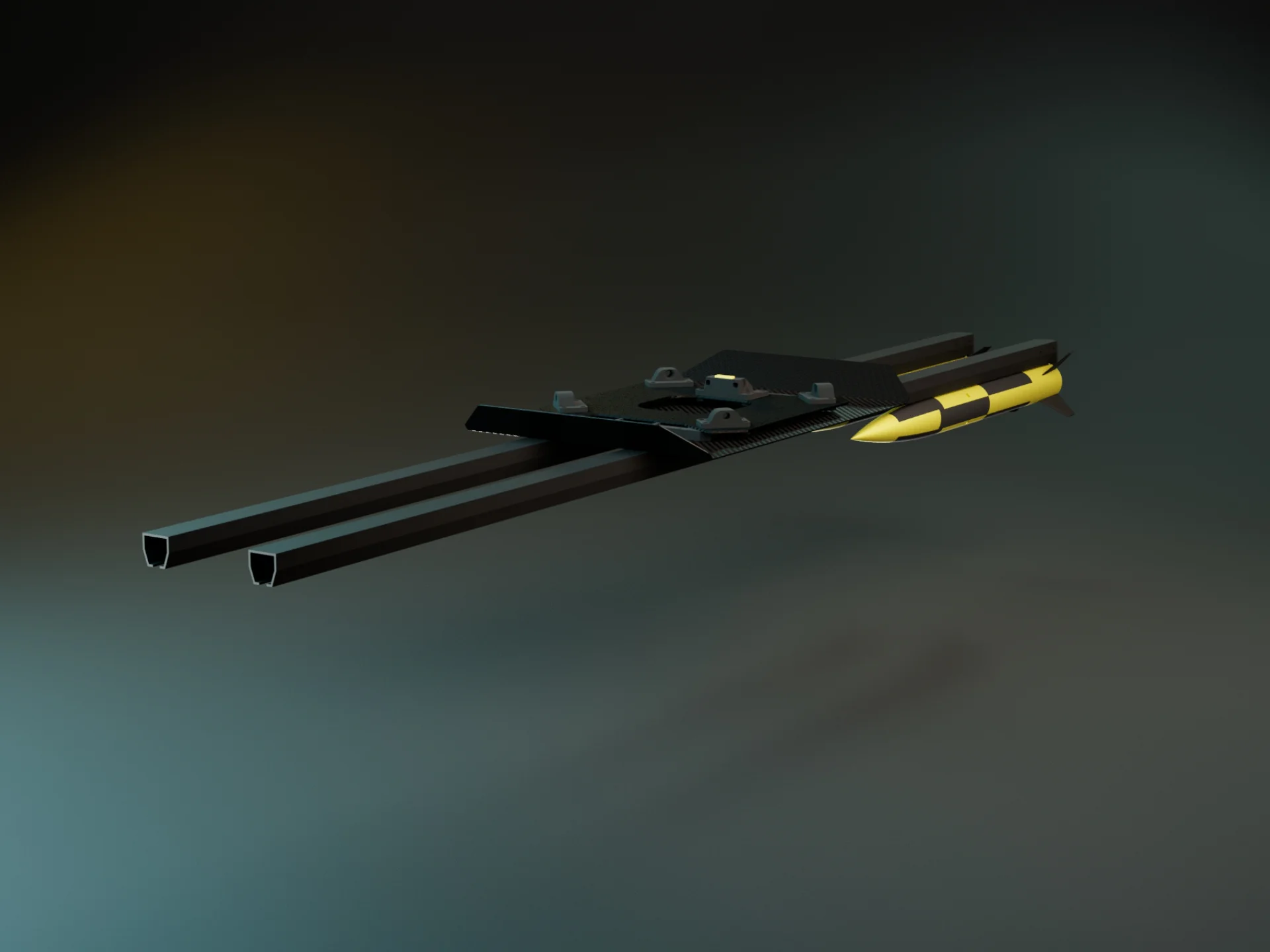
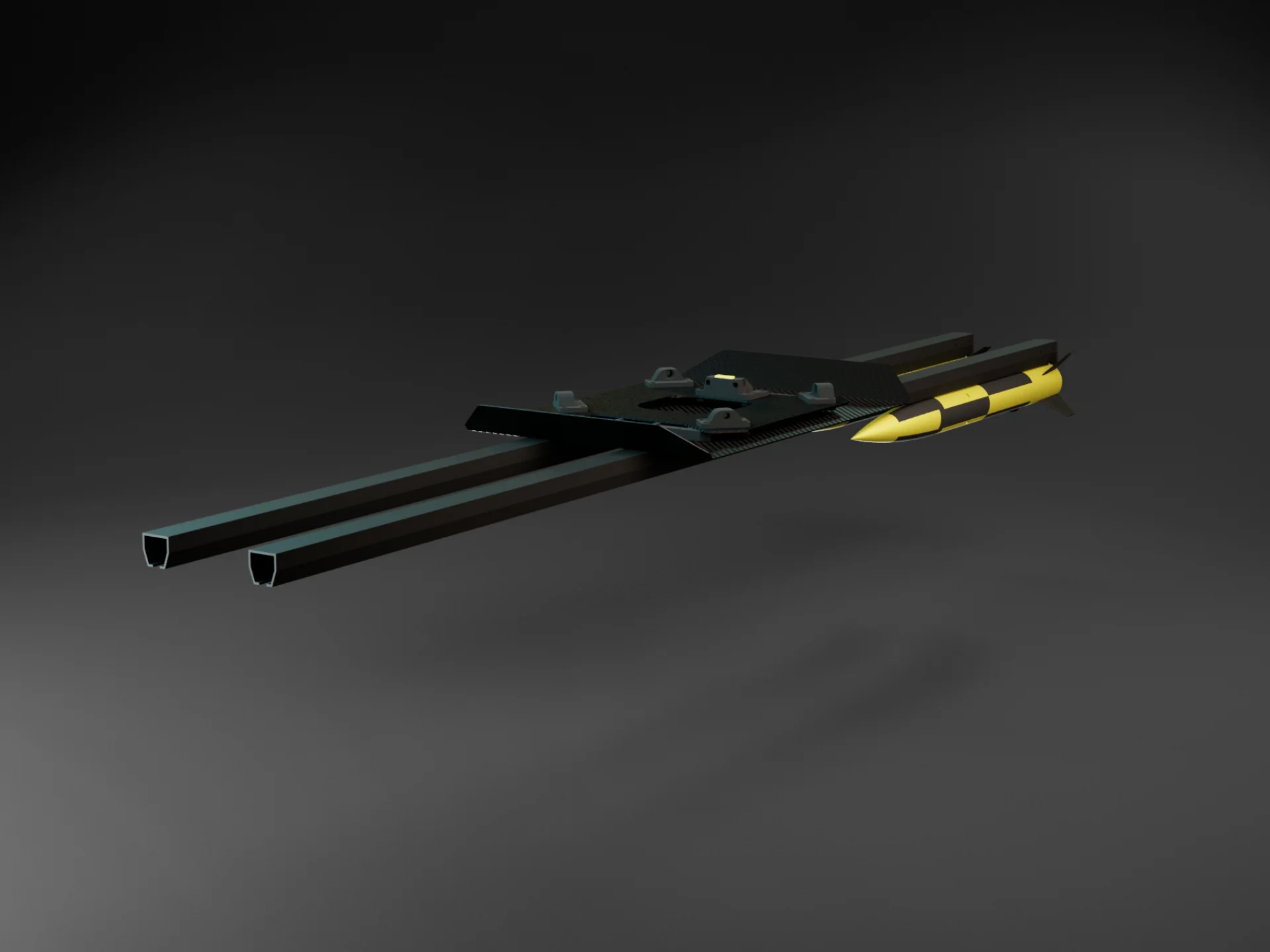
Targets large or fast-moving drones that cannot be safely captured, delivering a rapid neutralization option for high-threat scenarios.
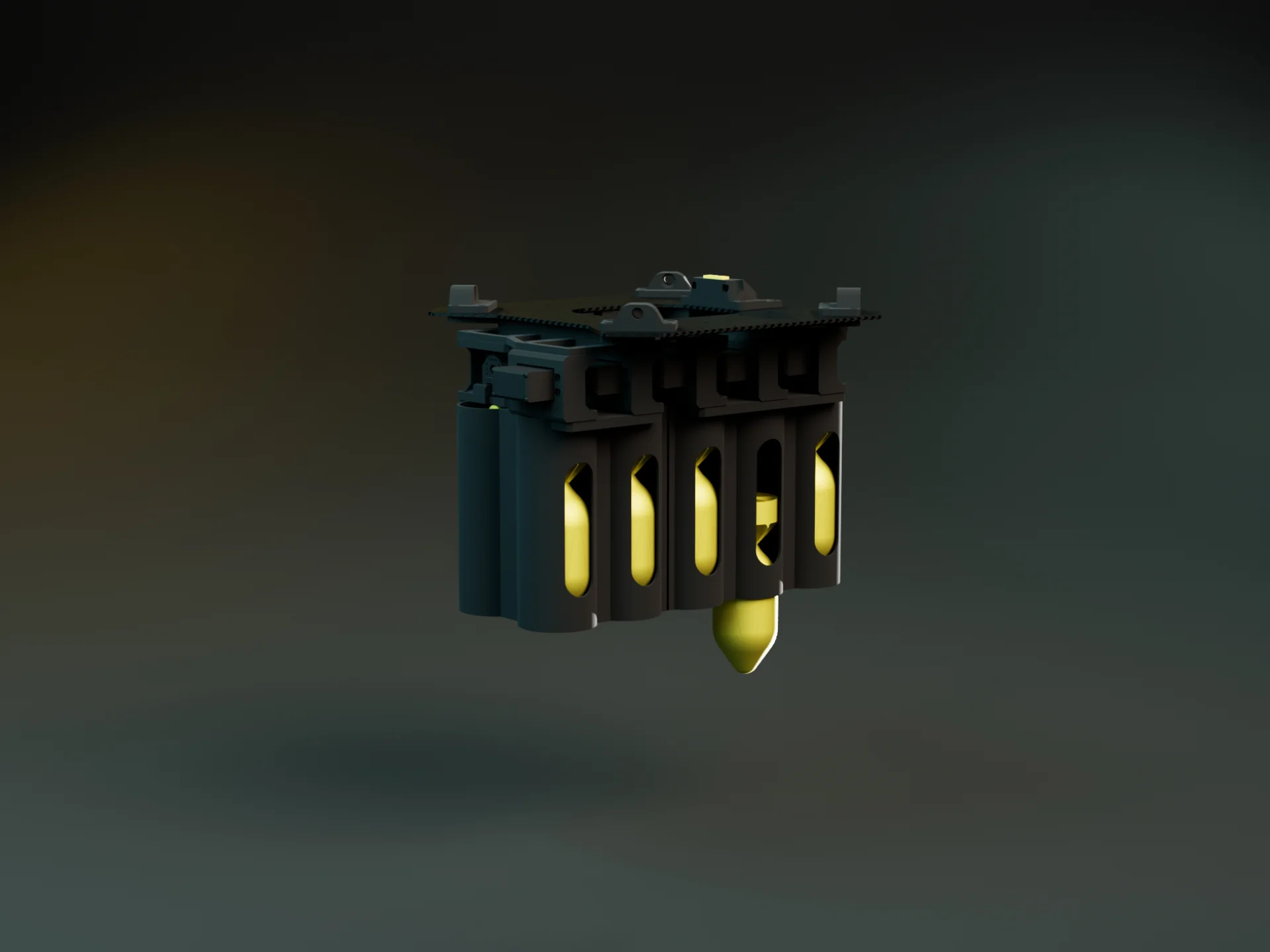
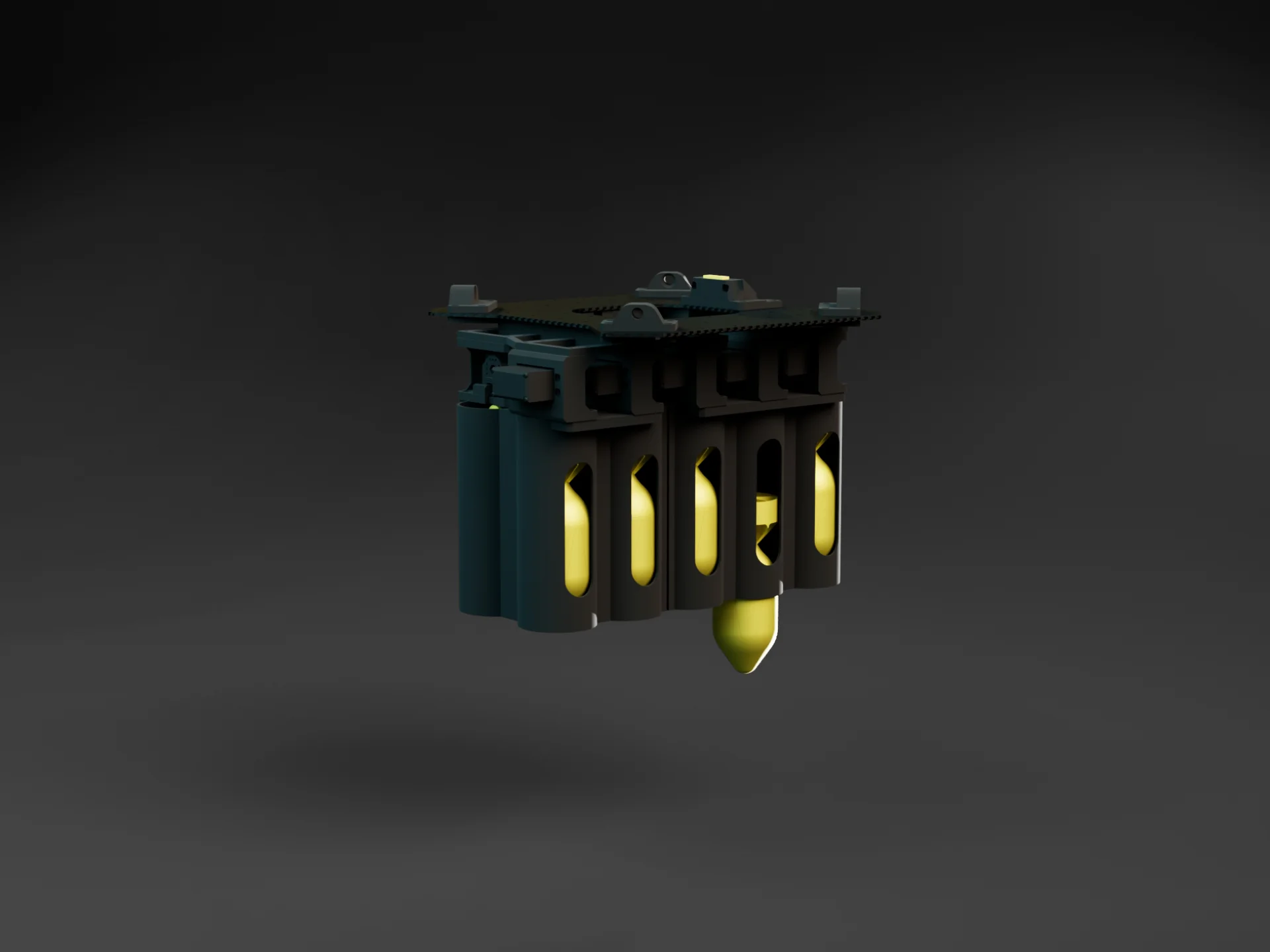
Drops a net onto the target from above to entangle propellers, making it suitable for areas where a falling drone does not pose a risk to the surrounding environment.
EAGLE.ONE is built to operate in GNSS-denied environments using advanced onboard systems. While no system can guarantee perfect performance under all conditions, it is designed to stay effective and keep the mission moving when signals are no longer available.
Obstacle avoidance enables confident movement through complex airspace. EAGLE.ONE continuously adapts to its surroundings in real time. Known locations can be scanned and uploaded to the Drone Hunter to enable faster movement.
Discover how our advanced solutions can meet a wide range of operational needs and how can they help you solve yours.


Especially for military, small drones can pose a significant threat which is necessary to be dealt with.
Read more

With over £50 million lost in damages, Gatwick Airport has become a wake-up call to airports all over the world.
Read more

High-profile individuals at public events face increasing drone-based threats that traditional security measures cannot adequately address.
Read more

Even a small drone can cause severe damage not only to a critical infrastructure, but to its surroundings as well.
Read moreSee the latest news regarding the EAGLE.ONE project and related drone technology. Find out more about our journey and history right here.
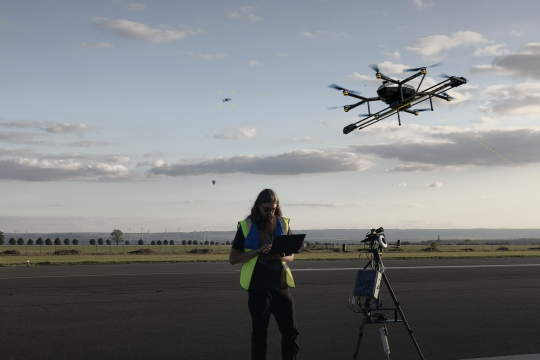
We spent three days in Germany testing Drone Hunter in SPRIND's Anti-Drone Response program. Repeated runs and real data showed us what to fix, what to keep, and what to try next.
A new Czech bill would give trained staff at airports, power plants, and other critical sites the legal right to disable or destroy dangerous drones. Here's what the law covers and why how they respond matters.
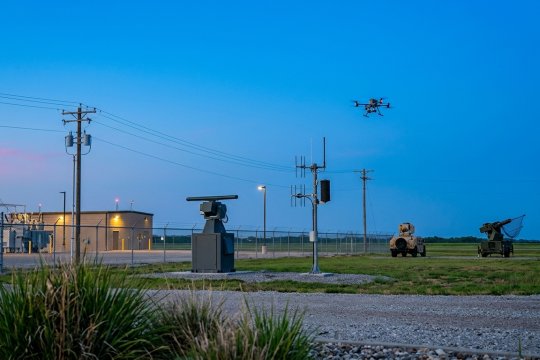
Why reliable Counter-UAS protection cannot depend on one sensor alone. This article explains how RF detection, radar, and optical systems work together to create a clearer picture and support safer response.





Meet the best people in their fields who dedicated a significant amount of their time and effort to bring EAGLE.ONE to life.

Phone
Company
EAGLE.ONE s.r.o., ORG ID: 03947394
Povltavska 5/74, 171 00 Praha 7
